


Your Viking outfit and your Viking clothes
Make yourself as strong as you really are! You feel like a viking? Then choose the clothes that match your heart. For hunting or for battle - we have exactly the outfit you need! Answer the call!
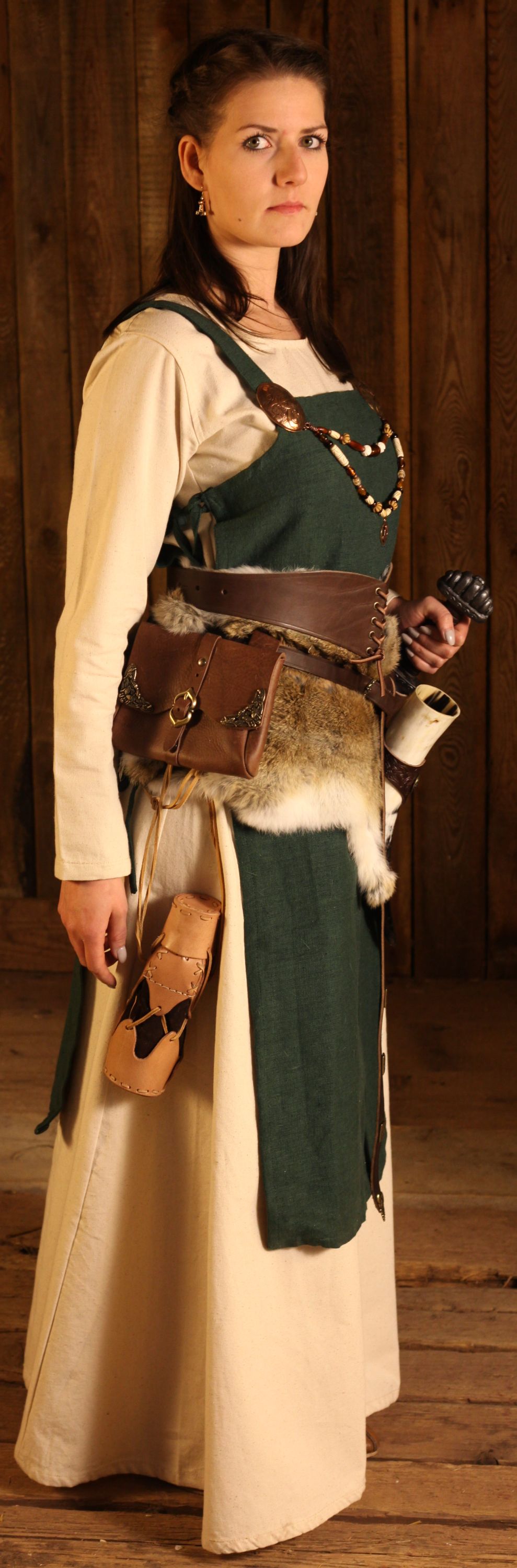
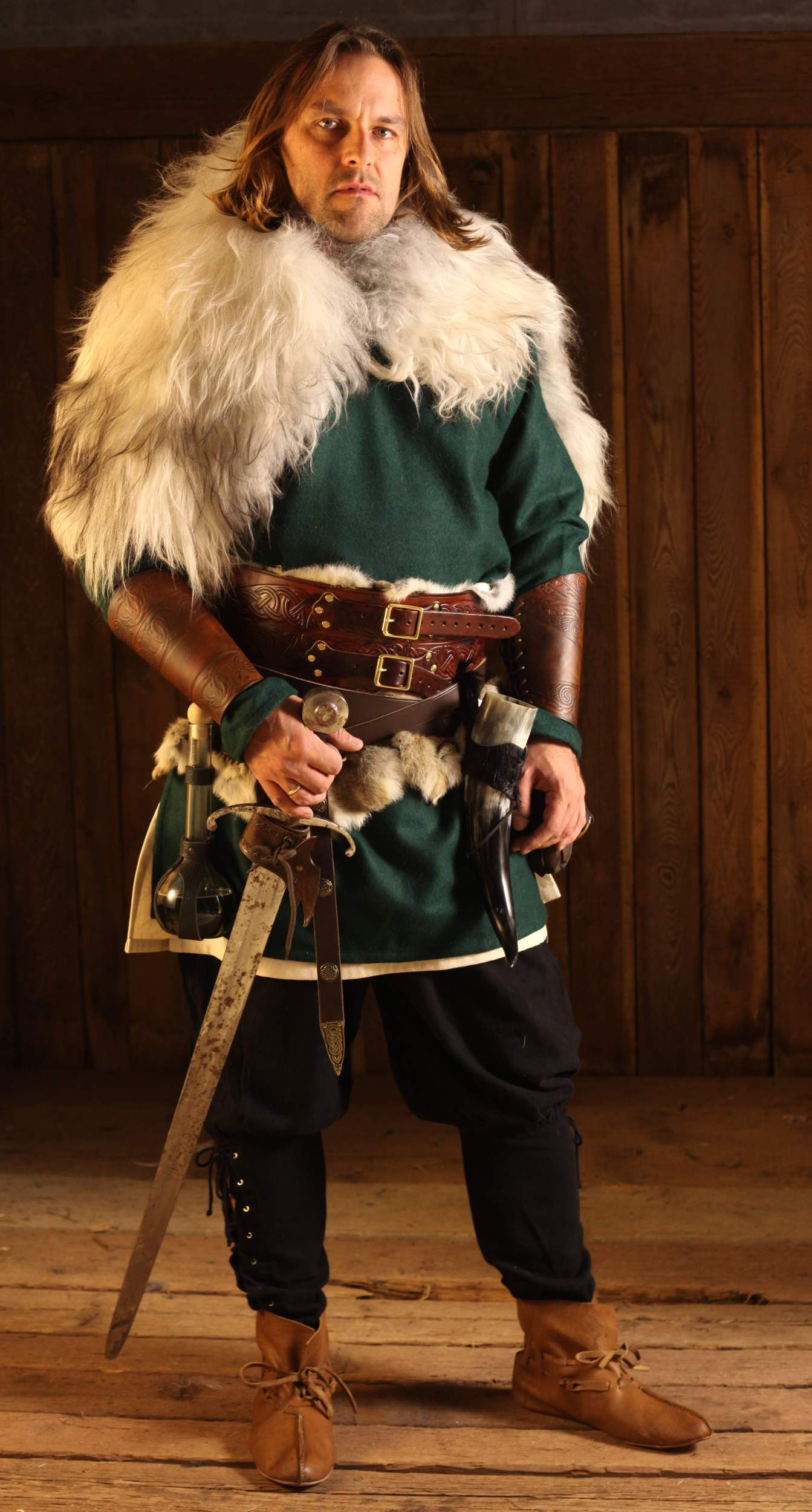
Sigurd Mens Complete Viking Costume
For over 20 years we have worked tirelessly to bring you all a whole horde of costume solutions, working with stage & TV screen, Larp & Cosplay… now to mention tens of thousands of themed events and now we take things one stage further with our "Complete Costumes" to inspire your ideas. The Sigurd mens complete Viking costume offers a whole selection of possibilities. Tunics can be changed in colours, cape to keep warm, a nice strong belt to hold the two most ESSENTIAL items (sword and drinking horn !!!) nice relaxed trousers, designed to expand at the waist after dinner…. and loose enough in the leg to leap over the table should any drinking games go wrong !!! … finished with a pair of perfect "in character" boots….What more could any northman want !!
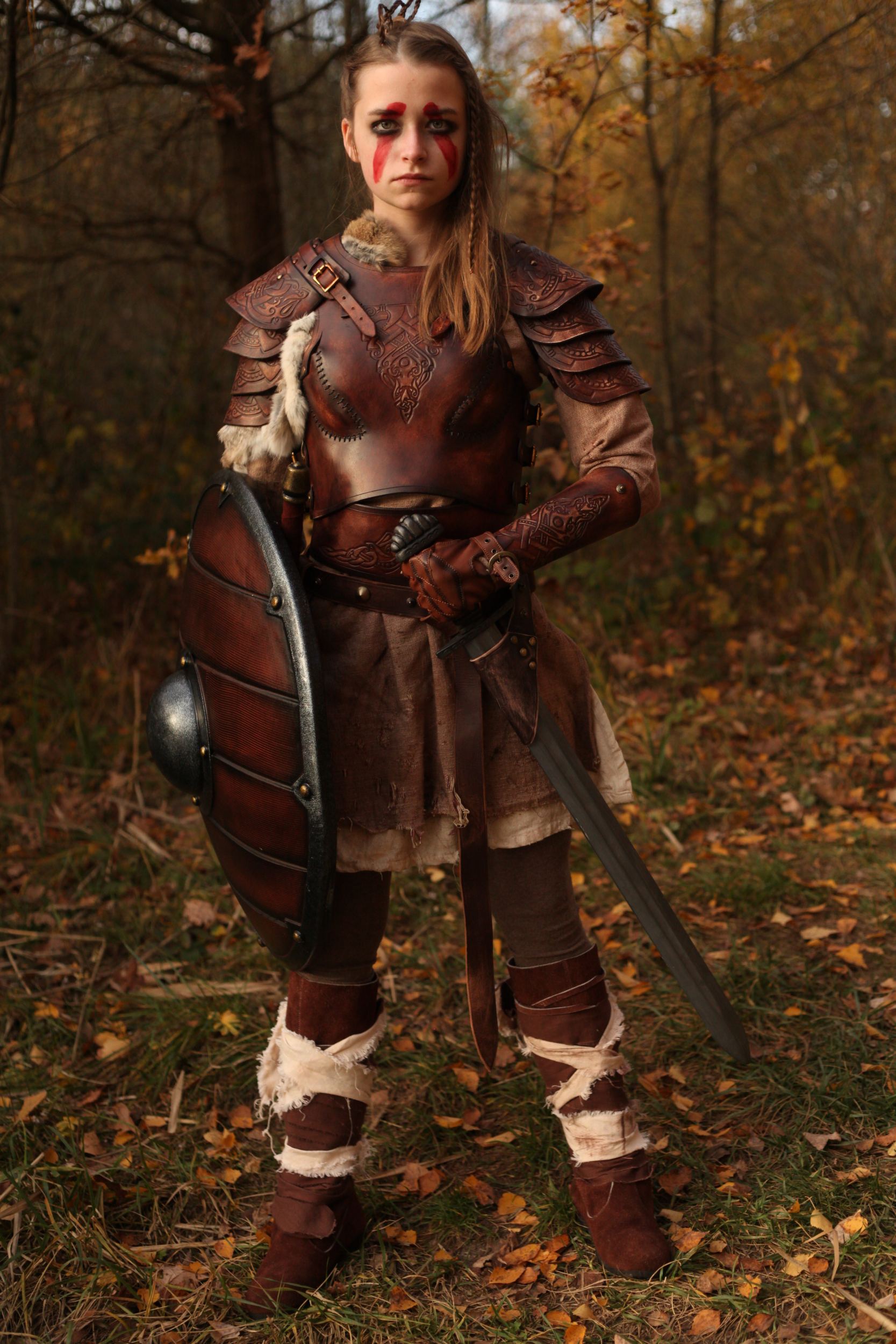
LARP Costume Viking Shieldmaiden
LARP Costume Viking ShieldmaidenLeather
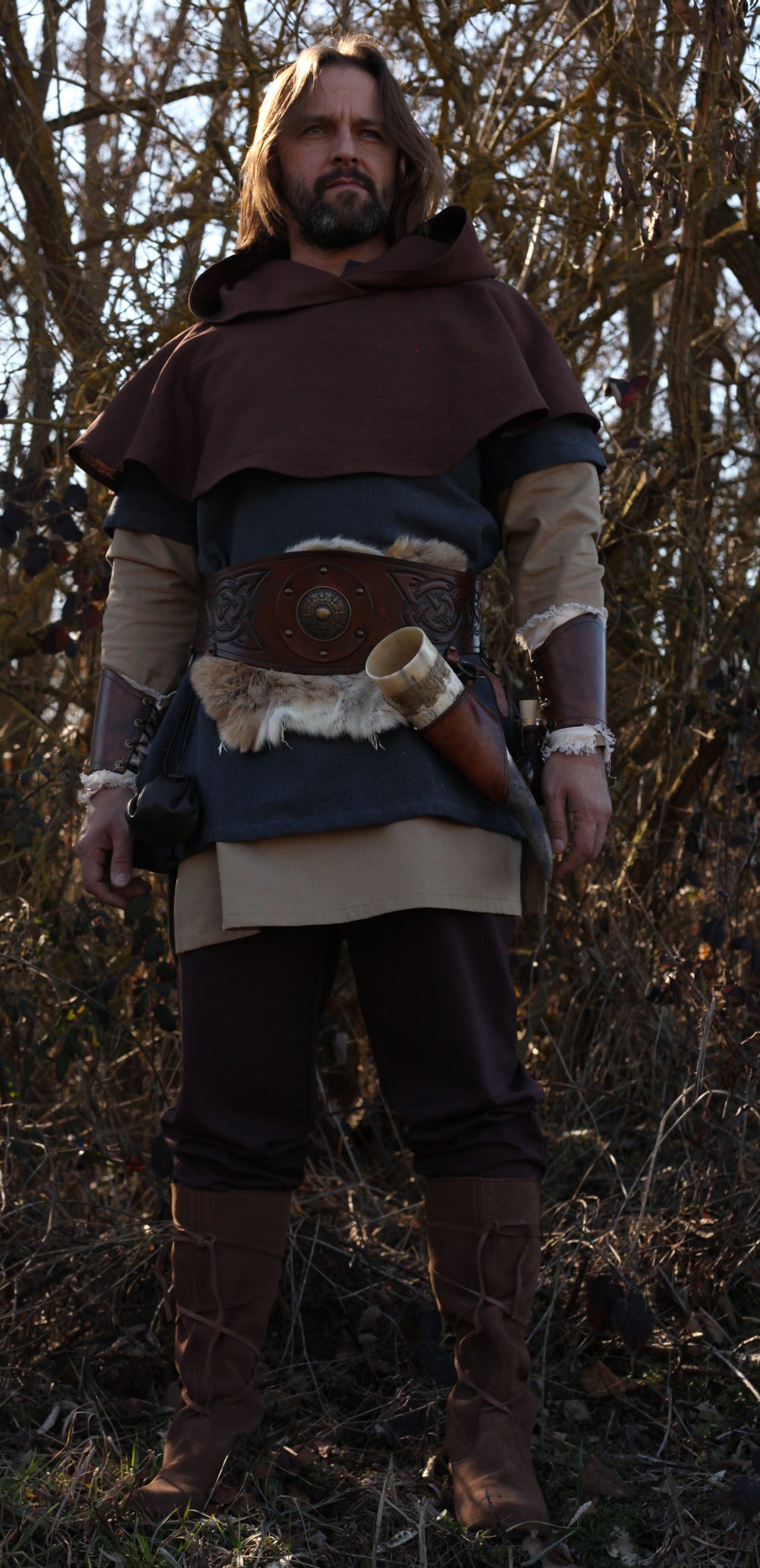
Norseman Full Costume
Originally we have created this full outfit for a norseman character, but you can modify it very easily for almost any medieval or fantasy setting.The centerpiece of this full outfit is for the Viking broad leather belt "Harald".
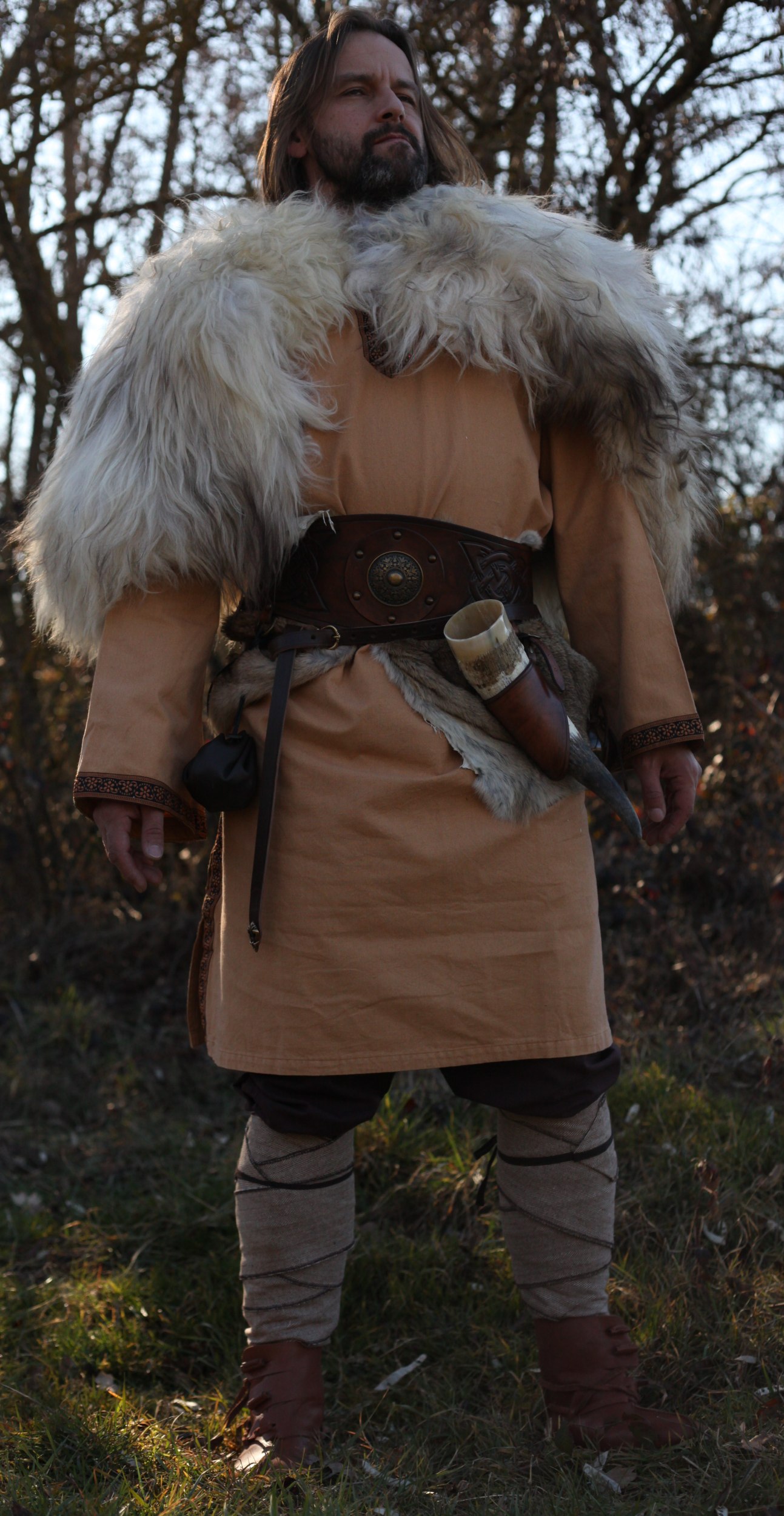
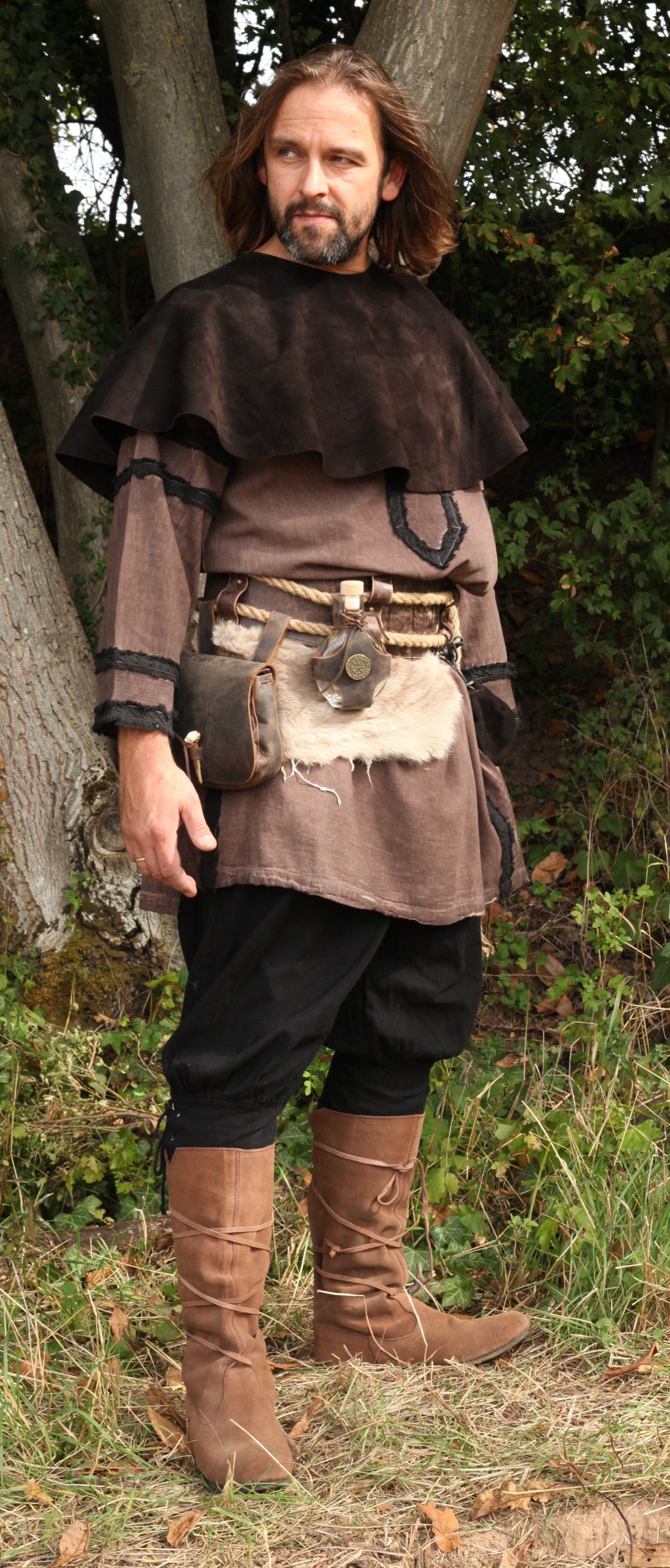
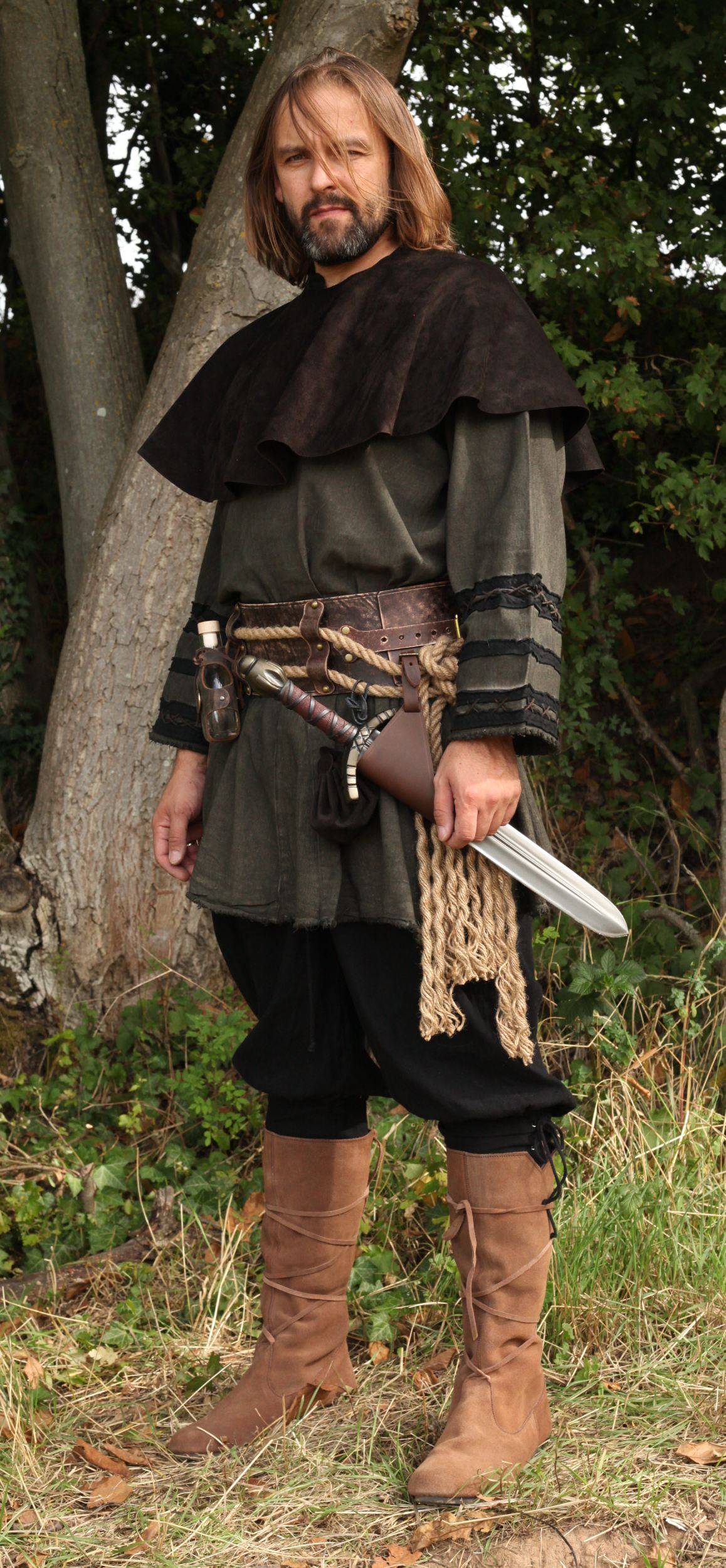
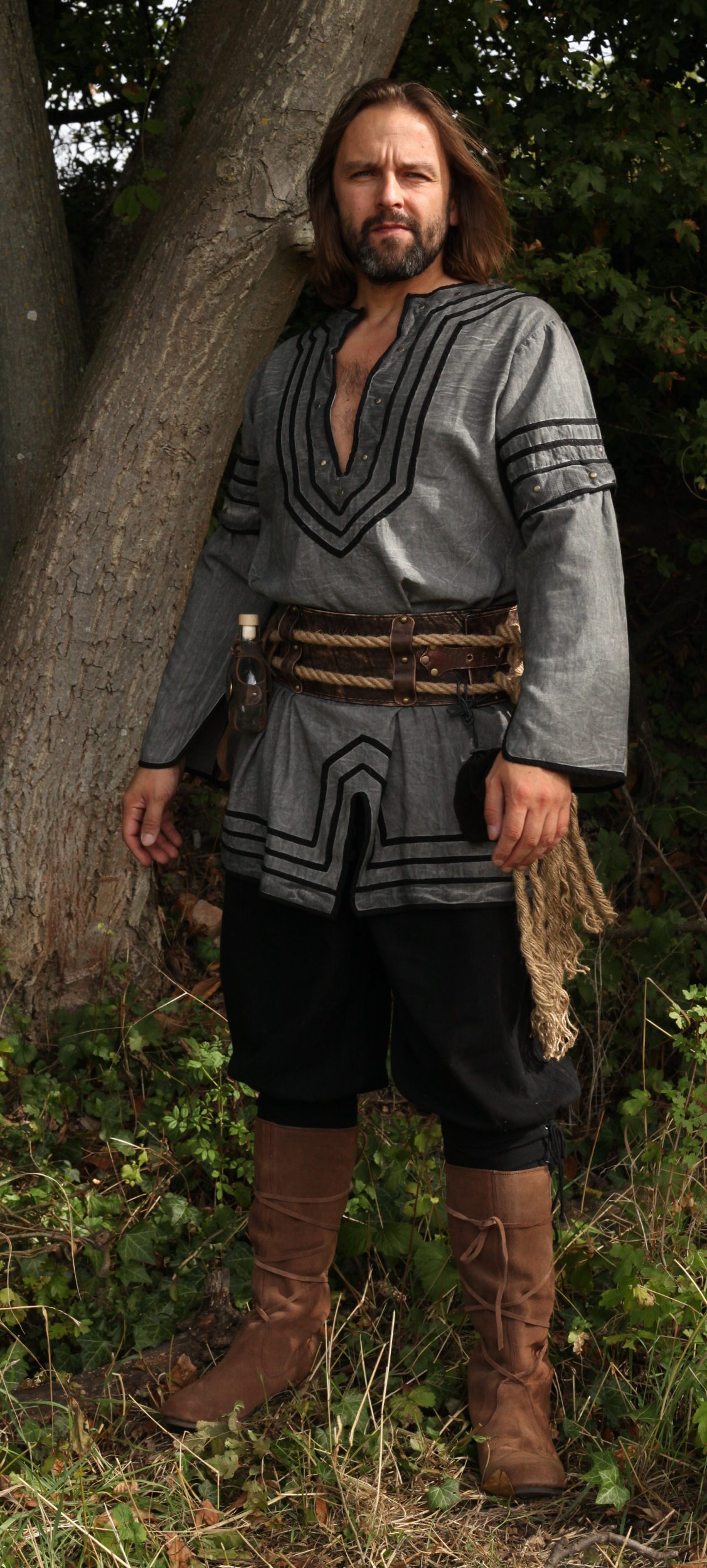
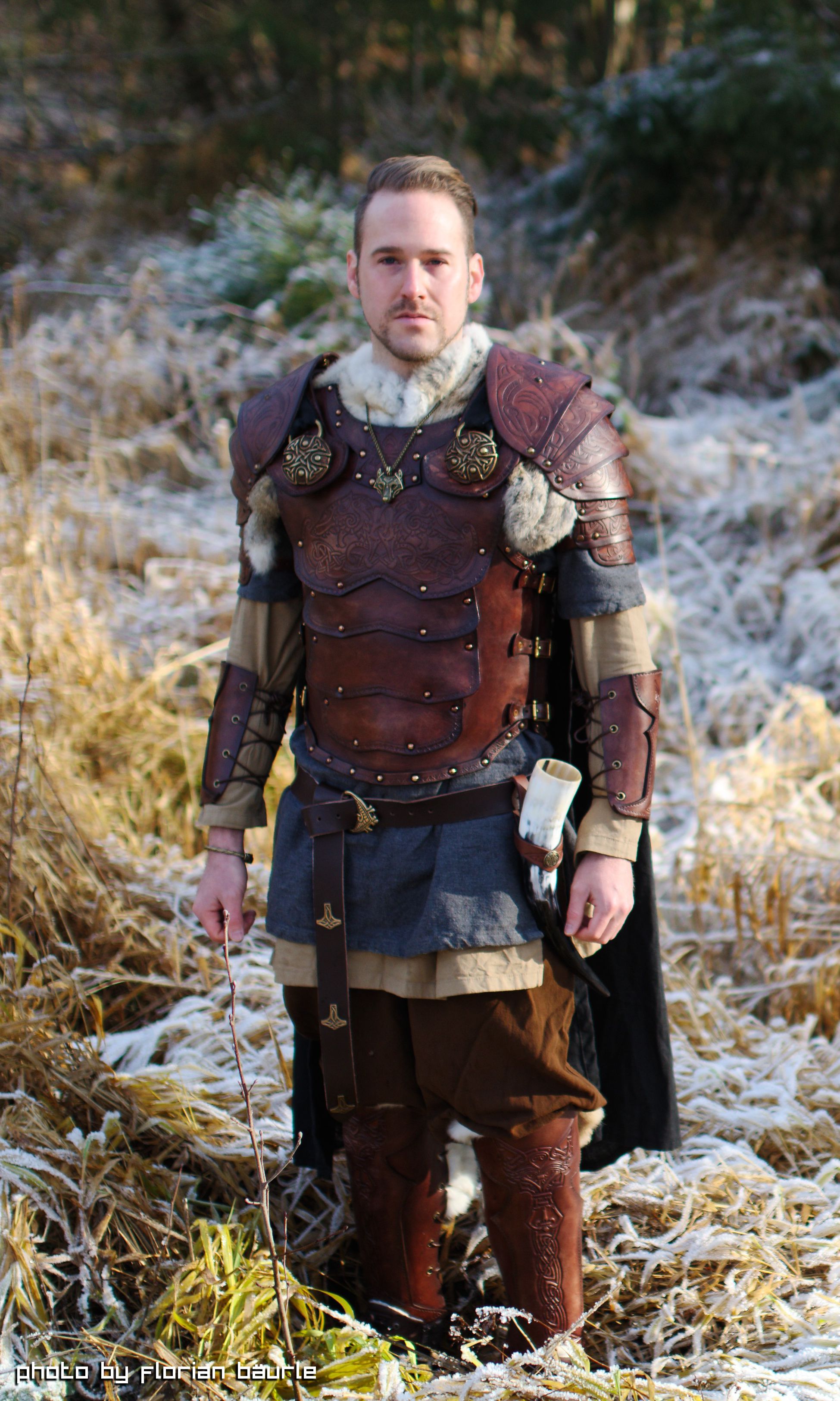
Tribesman Complete Noble Viking Costume
Tribesman Complete Noble Viking Costume
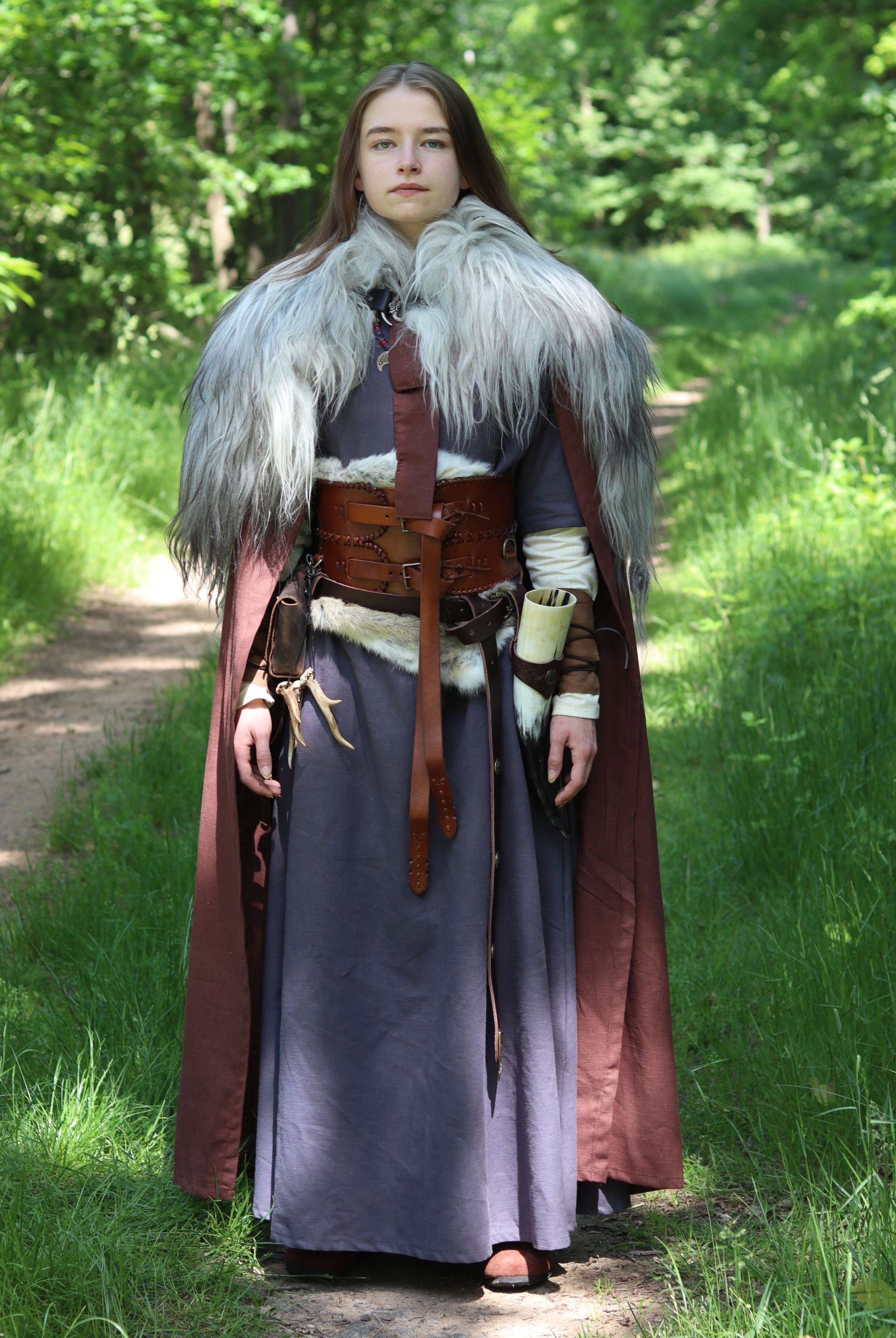
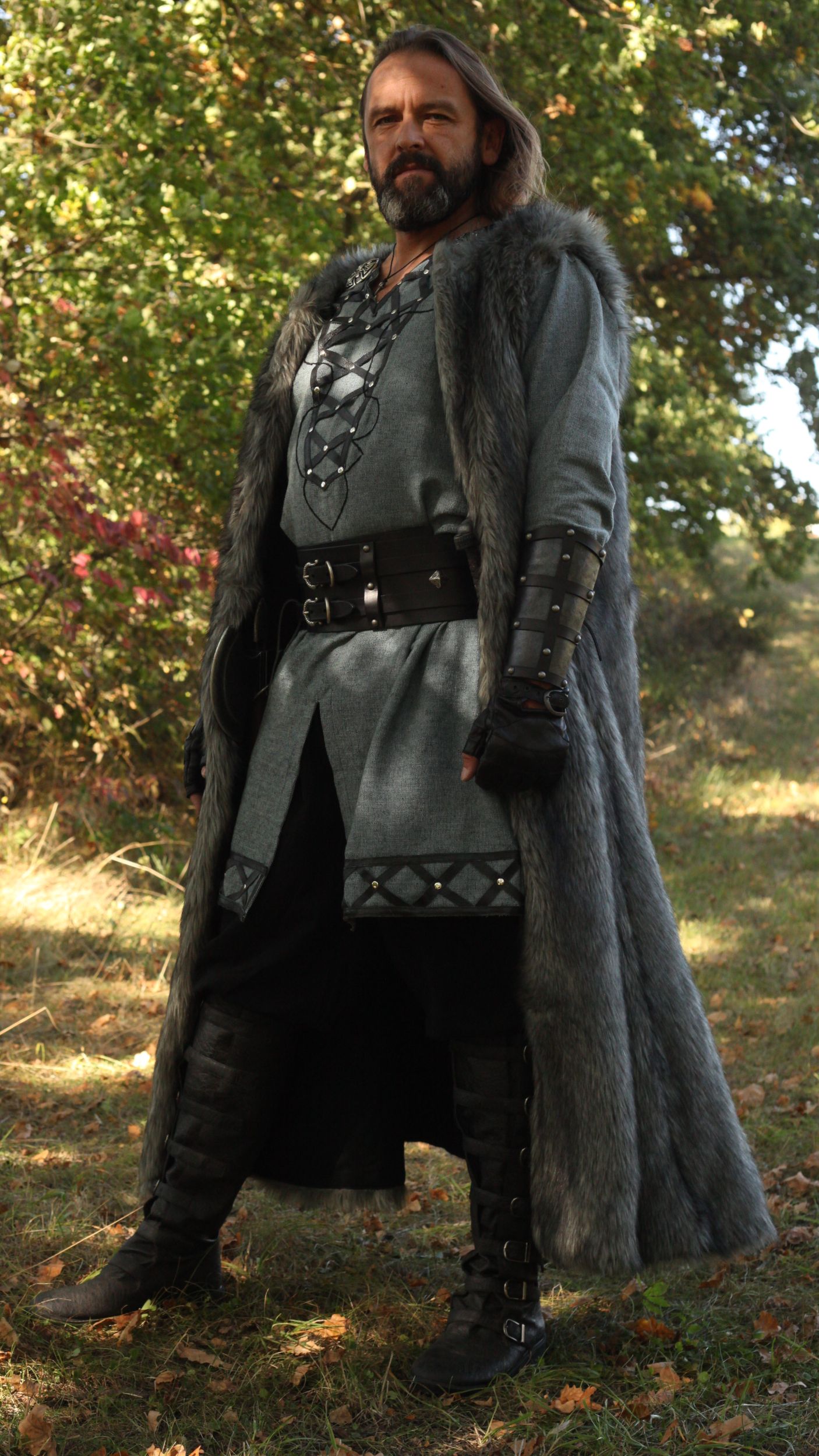
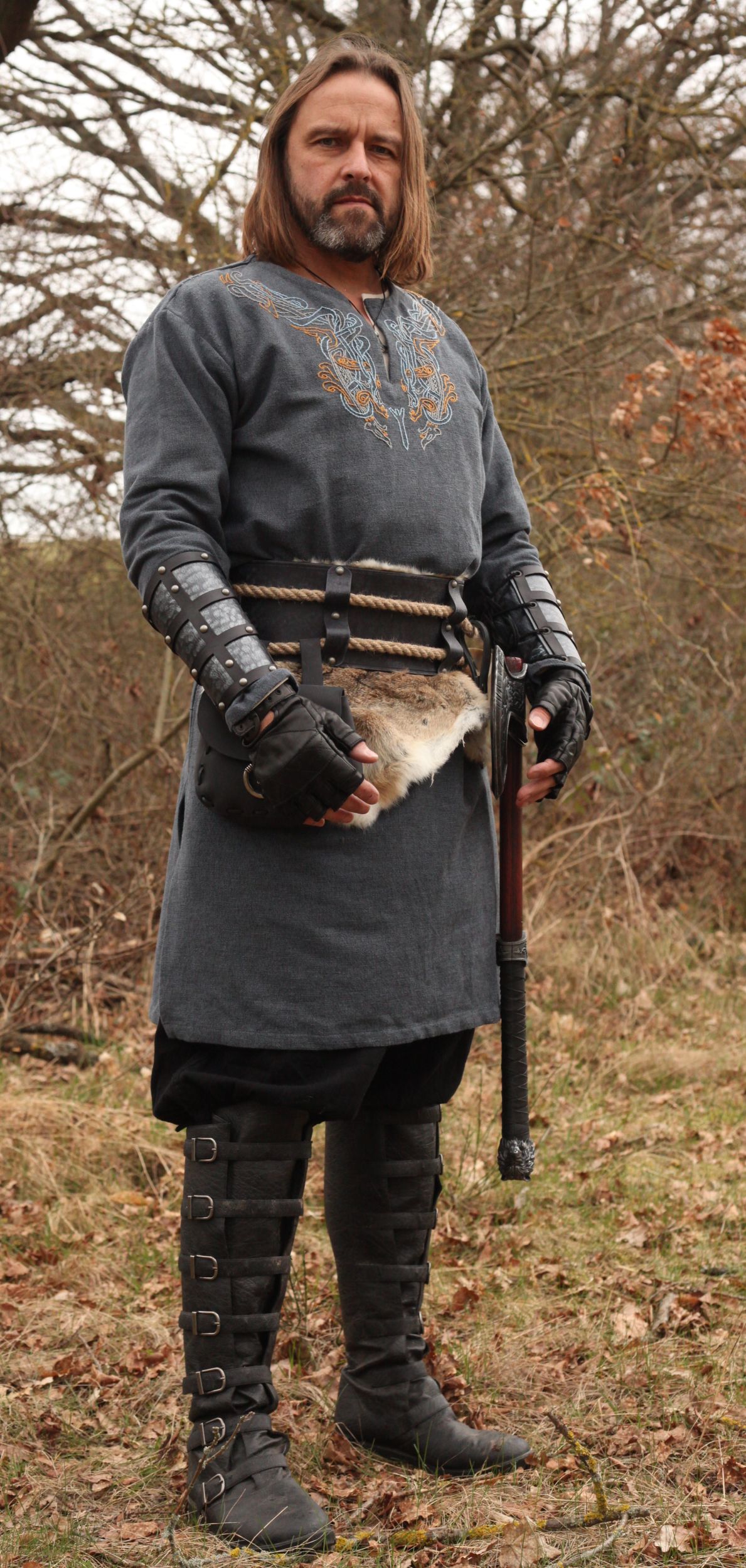
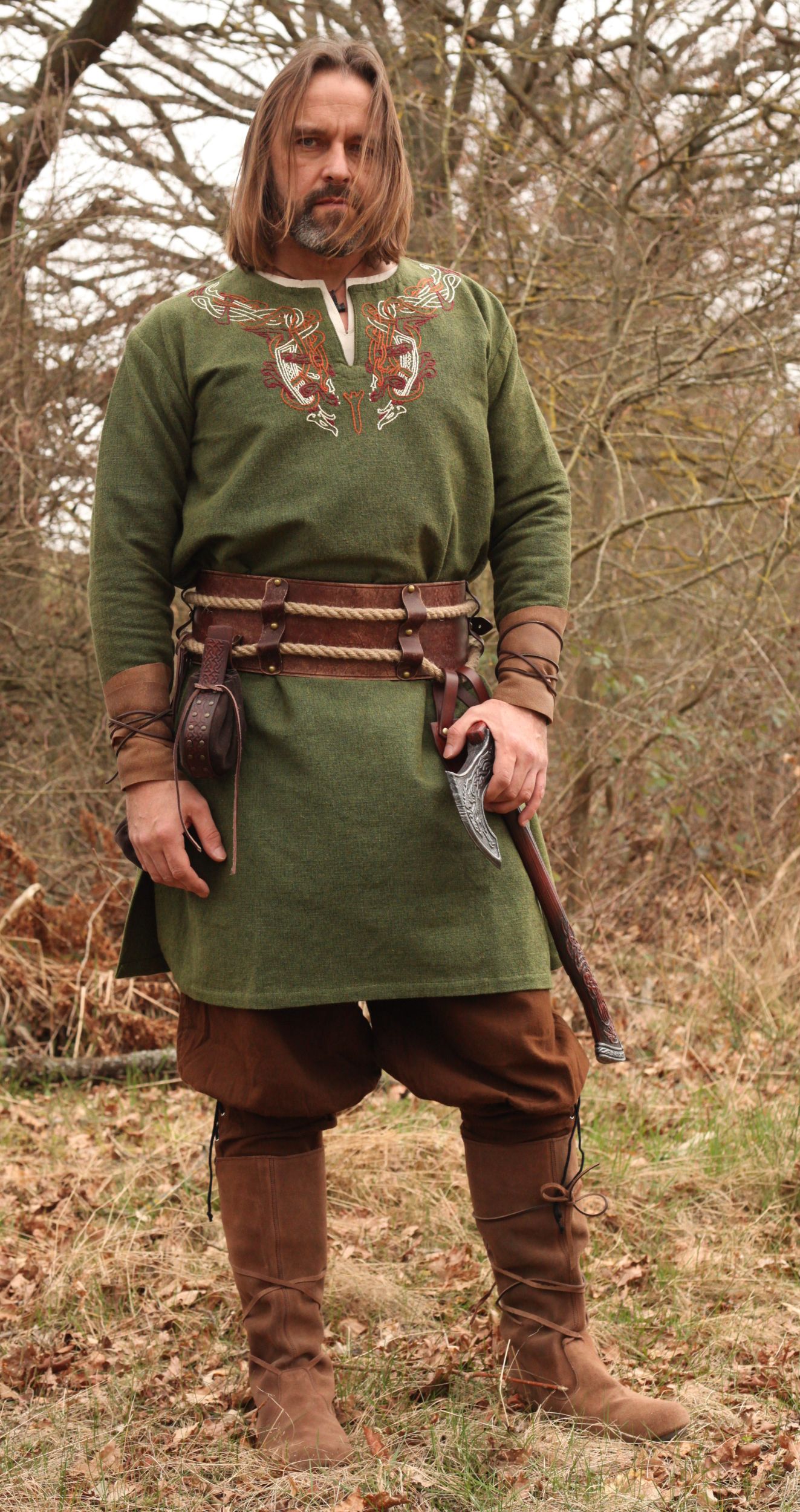
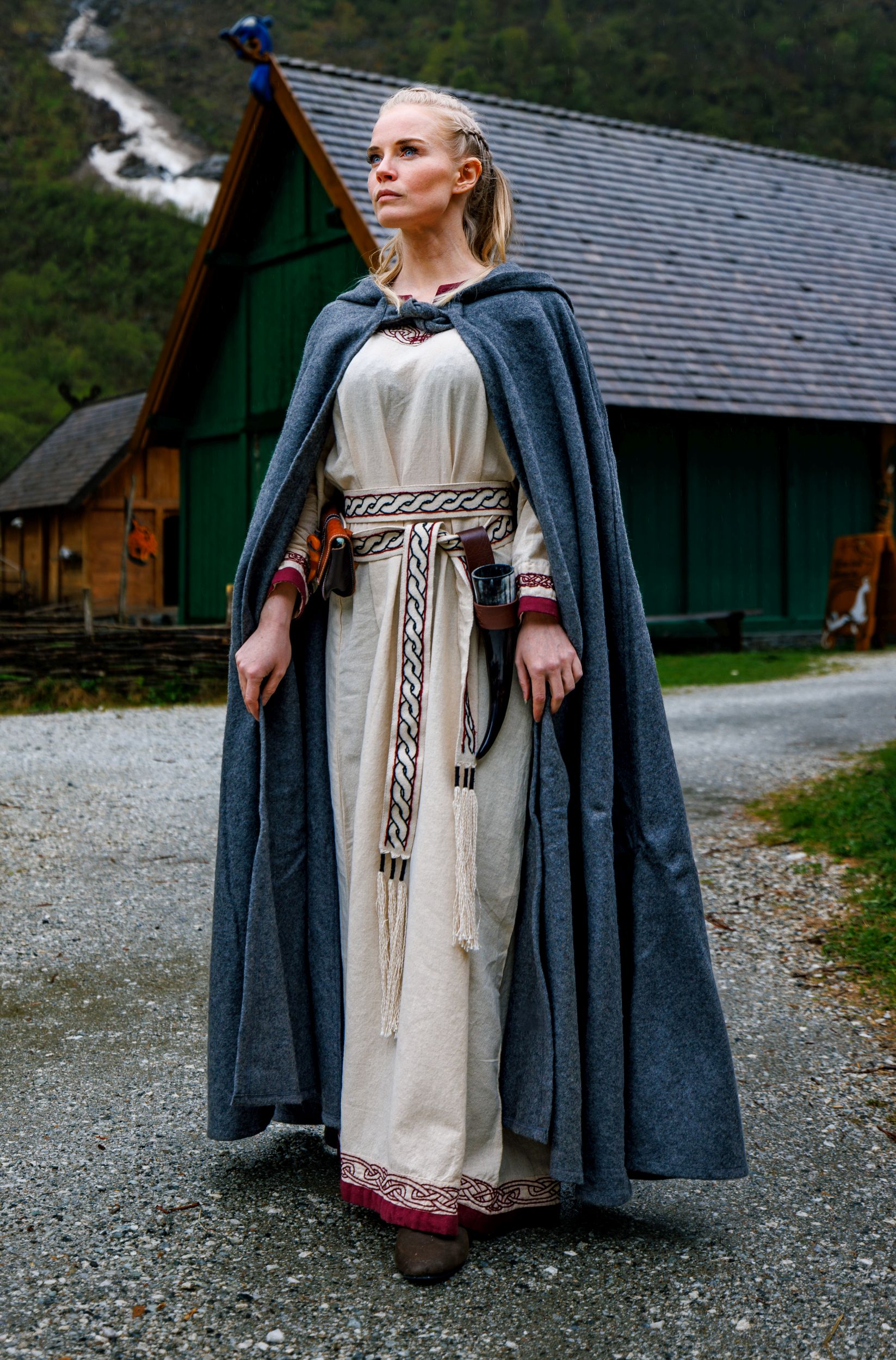
The medieval garb in layers
The clothing of the Vikings is of course first of all functional. Who wants to freeze or sweat? Who wants to stay wet forever when it rained or you fell into the water? That's why you wear the clothes for the medieval LARP in layers, which you can take off or put on. And the authentic Viking costume should be comfortable, no matter in which century you live as a Viking man or Viking woman. The Viking clothes should not scratch the skin. So it should be linen that you use for the undergarment or the underpants.
Trousers and coat in the Middle Ages
The thick wool is good for the pants, the calf wraps and the undergarment. Where are you from? Do you tend to wear Thorsberg trousers with the practical straight cut? Or are you into medieval fashion and wear harem pants like the Arabs? It doesn't matter, the main thing is that the pants reach far down. You want to be able to move freely and wildly, so the upper tunic must not be too tight. But the leather belt must close well. The rectangular coat or flap skirt must be sturdy and warm, above all. The more colorful and fine the fabrics are, the richer you are probably as a woman or a man in the Middle Ages.
Wear your garb as a Viking
If you think of your LARP garb as an authentic Viking costume, a Viking costume for women or a Viking outfit for men, then your heart probably needs a real push. Feel properly dressed and at home as a Viking in your tunic, your trousers and your whole garb. Only then you will come across as convincingly as you actually want to at the LARP. So it is not medieval Viking garb, but your own. You live in the here and now, whether it's the Middle Ages or not. How are your shoes? Are they made of leather? Are they soft and flexible? You have to walk in them for a long time.
Viking clothes in the mail order store of LARP-Fashion
Do you know what authentic means for your clothing as a Viking in the early Middle Ages? It means that everyone notices that you wear your clothes all the time. This is true for all of your Viking outfit -your tunic, your gugel or your fur hat. Do you love jewelry? Wear a brooch or a necklace with your tunic. Do you love the glamor? Be colorful at the LARP. Do you like to be admired? Then enjoy your appearance in your overdress with lacing. Of course, the self-made tunic and coat is the best. But until then, you can get an authentic, comfortable and really high-quality Viking outfit at LARP-Fashion in the mail-order store, which you will love to wear at home. You can rely on it.
The Vikings - a great time
The time of the Vikings as we know them spanned over 300 years. In the early Middle Ages, their reputation as a marauding and murdering mob spread fear and terror. With their fast boats, the Vikings first started their raids from Norway and Denmark. Usually they stayed near the coast, landed and attacked the surprised inhabitants. They were as much concerned with booty as they were with honor and reputation. But a new chapter in the Middle Ages began with the crossing to England in 793. The raid on the monastery of Lindisfarne off the border with Scotland started a new area. Especially in the coming decades, the element of surprise was entirely on their side.


The Vikings as robbers and plunderers
From now on, no town, monastery or trading post in the area of the North Sea, Baltic Sea and into the Mediterranean was really safe. In the early Middle Ages, the Vikings sailed even up the rivers far into the interior of the country. They pillaged all the buildings, killed the inhabitants with great brutality and retreated as quickly as possible to their dragon boats. In the process, two groups formed over time. One were peasants who used the Sturm und Drang of youth for wild adventures, but then returned home, settled or even repopulated whole areas. The others devoted their mostly short lives to fighting and plundering and soon had nowhere to call home.
The Vikings as settlers and farmers
At home in Scandinavia or in the new territories in France, England, Scotland, Russia or Iceland, the Norsemen brought with them the old knowledge of plants, rituals and customs. But in the Middle Ages they also formed new rules and cultures. At the same time, they did not call themselves Vikings. Rather, they sailed on a Viking, which was their name for a foray. The raiding Norsemen were initially called Danes. We don't know exactly what words they used for themselves, but these were probably mostly local or regional designations. The settlements reached halfway around the world, across Greenland even to America. But many had to be abandoned due to adverse circumstances.


The life of the Vikings
The Vikings, like all stable communities in the Middle Ages, had clear rules for living together in a village or tribe. Decency, honor, respect and consideration for women and children were as much a part of the common culture as caring for the elderly and sick. Some probably trusted the Nordic deities and fought death-defying thanks to Odin and Valhalla. But no such sources have survived. We do know, however, about the great role that the luck of the draw played among Vikings. Entire treaties were built on it. This included a kind of fear of God - perhaps of nature deities. But all rules of decency applied only inwardly. In dealings with strangers in the early Middle Ages, any misdeed was permitted and contributed to prestige.
The end of the Vikings
In many areas, the Vikings merged with the local population. In England, they became part of the ruling class in some regions. In other cases they came to terms with Celts and Anglo-Saxons. In France, Normandy formed its own kingdom and duchy under Rollo. The time of the Vikings came to an end around the year 1100 with the development of cities and monasteries into fortresses. On top came the incorporation of the Norsemen into the ruling structures. A distinction was now made everywhere between the lawless robbing Vikings and the respected settlers and traders. Christianity, whose moral norms spread across tribes and nations, probably played a greater role too.
