


Viking Torques
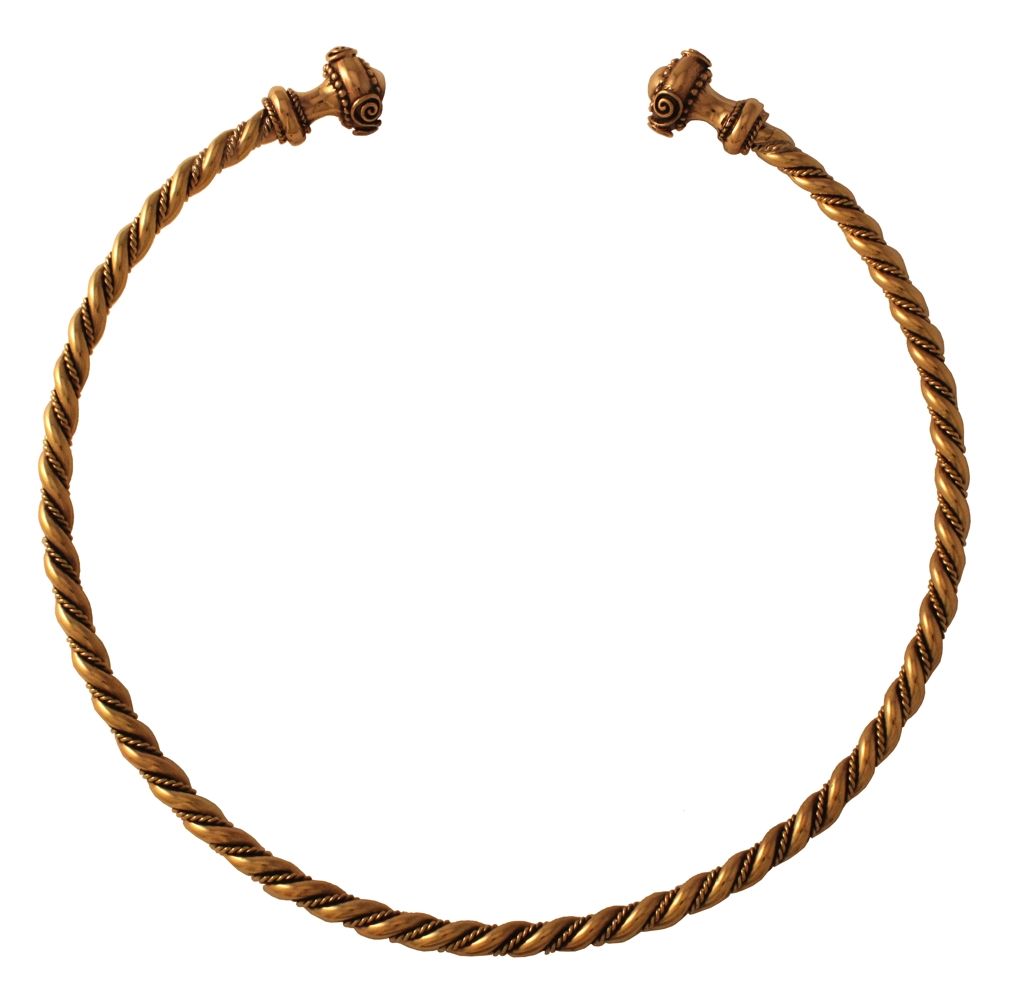
Celtic Torque for Women, Bronze
Celtic torque, diameter rdb. 12,5cm, made of bronze
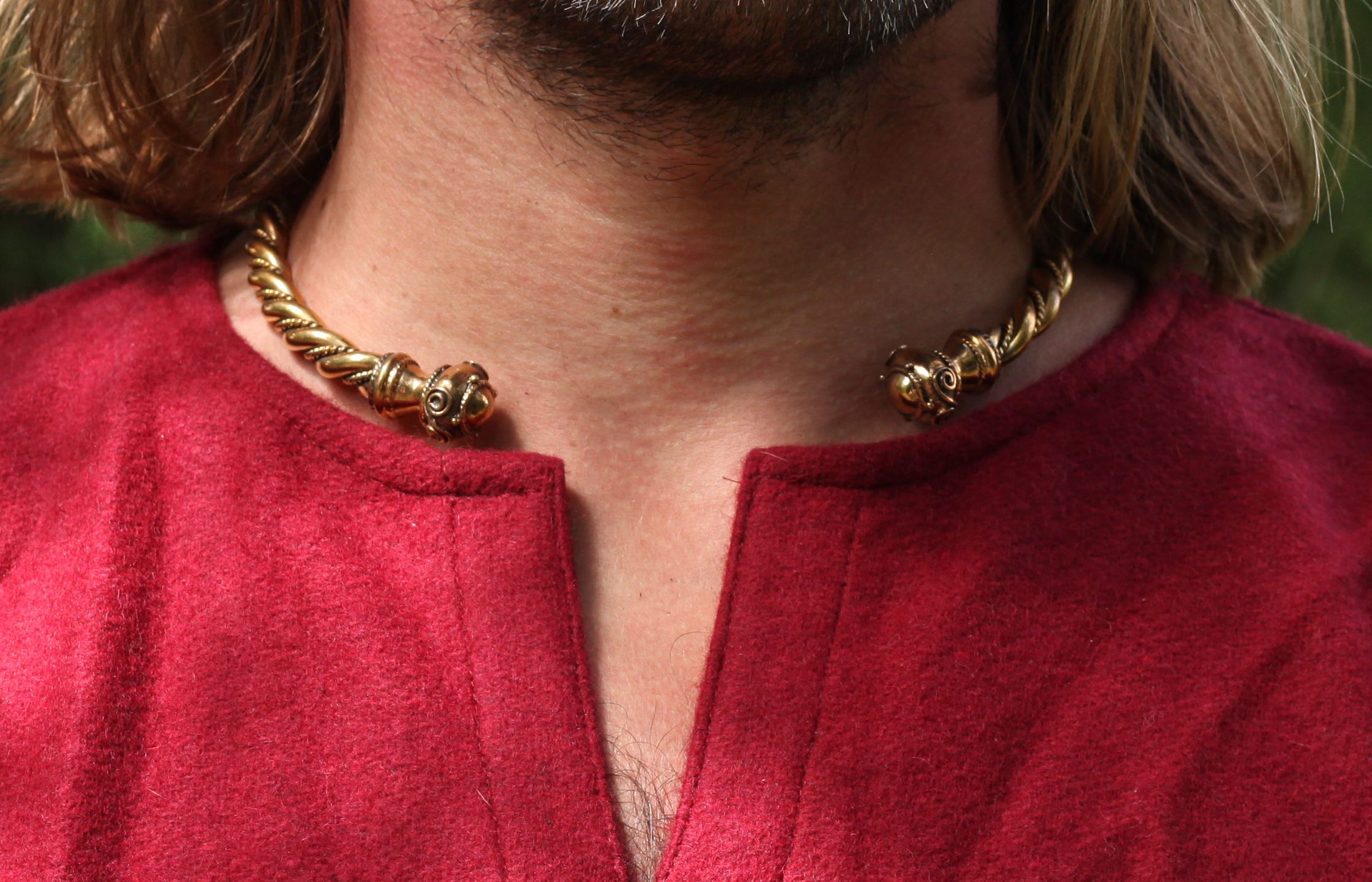
Celtic Torque for Men Bronze
Celtic torque, diameter rdb. 14,5cm, made of bronze, massive - 170g
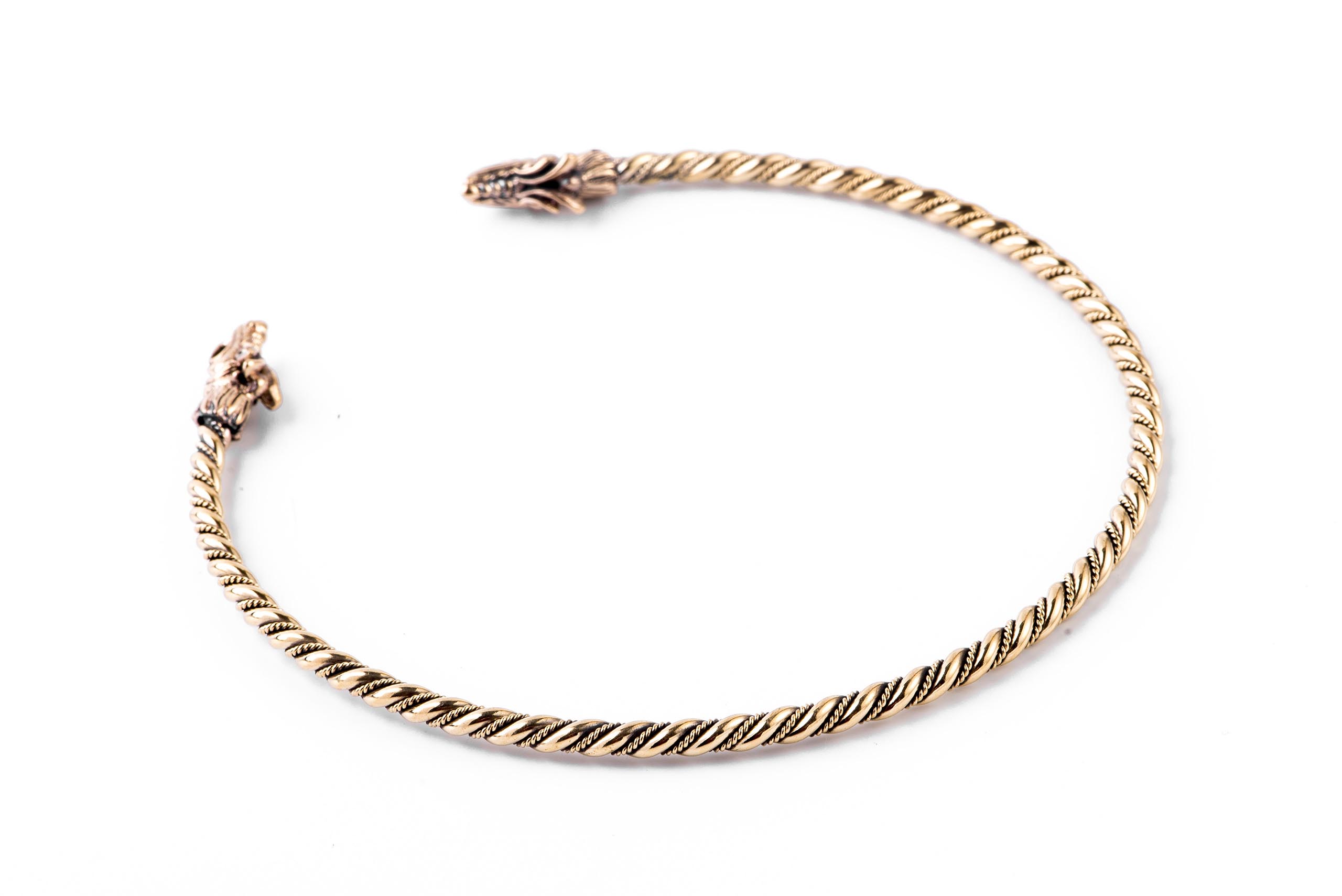
Viking Torque for Men, Bronze
Viking torque, diameter rdb. 14cm, made of bronze, 53g
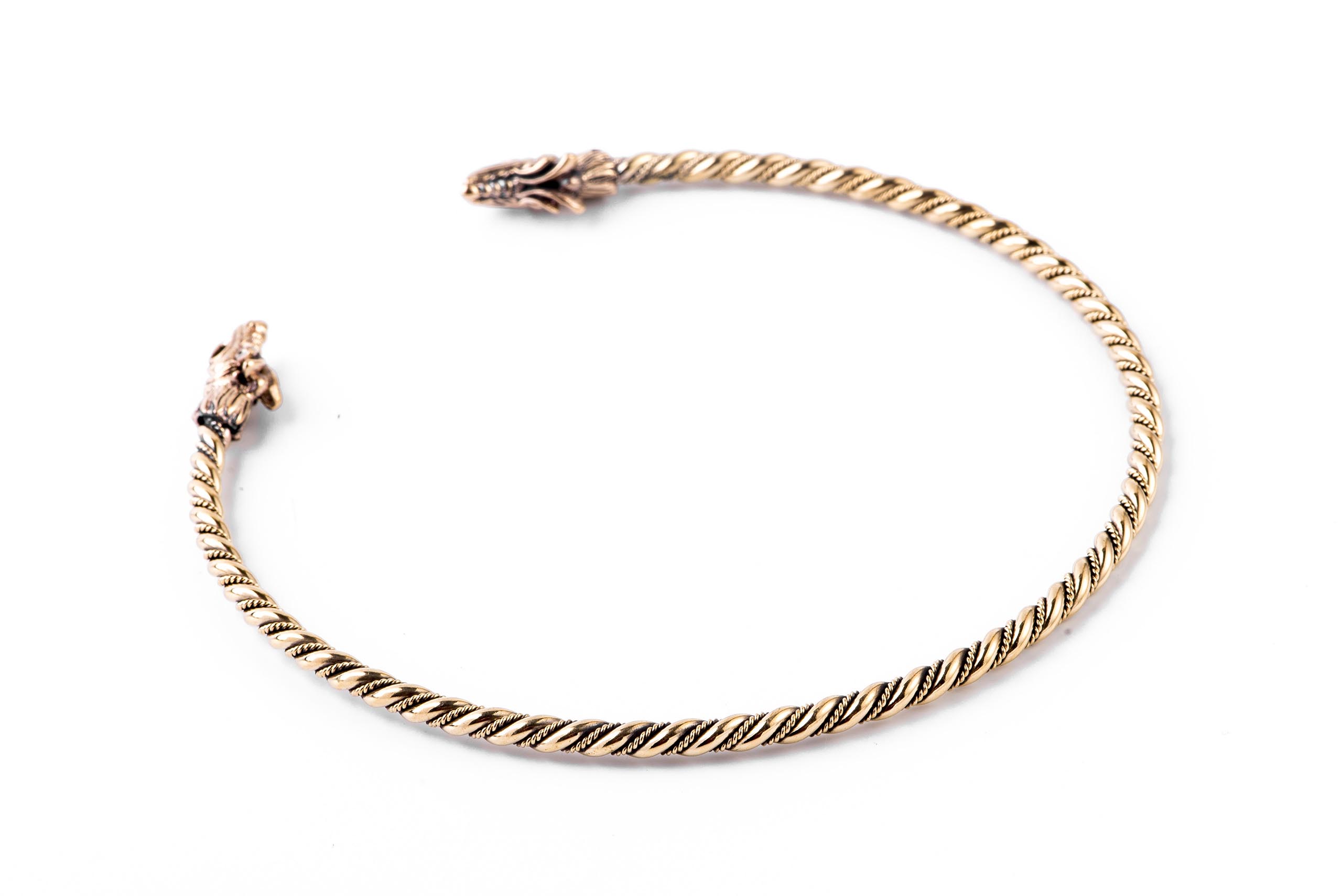
Viking Torque for Women, Bronze
Viking torque, diameter rdb. 12,5cm, made of bronze, 46g
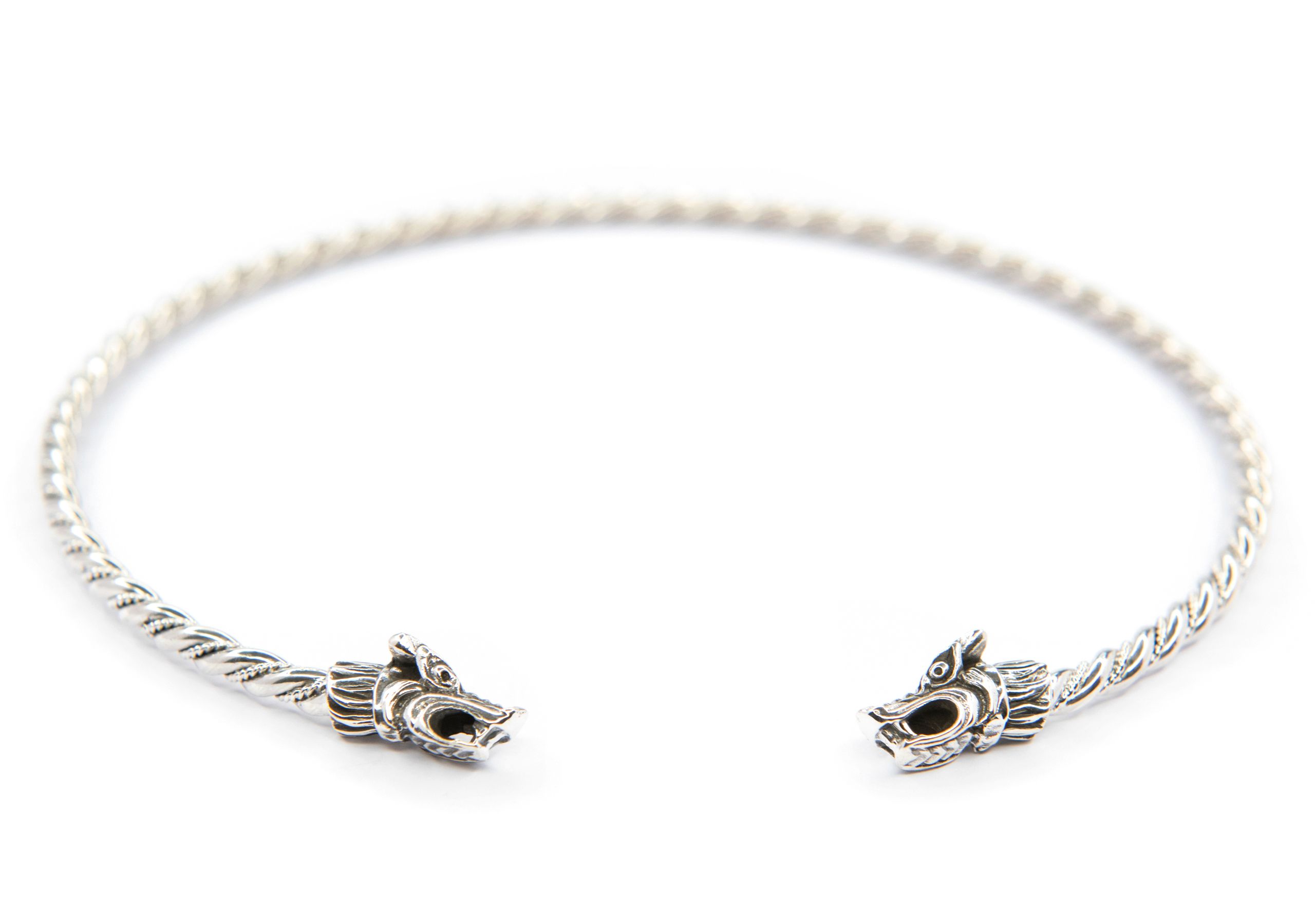
Viking Torque for Men, Silver
Viking torque, diameter rdb. 14,5cm, made of Sterling silver, 66g
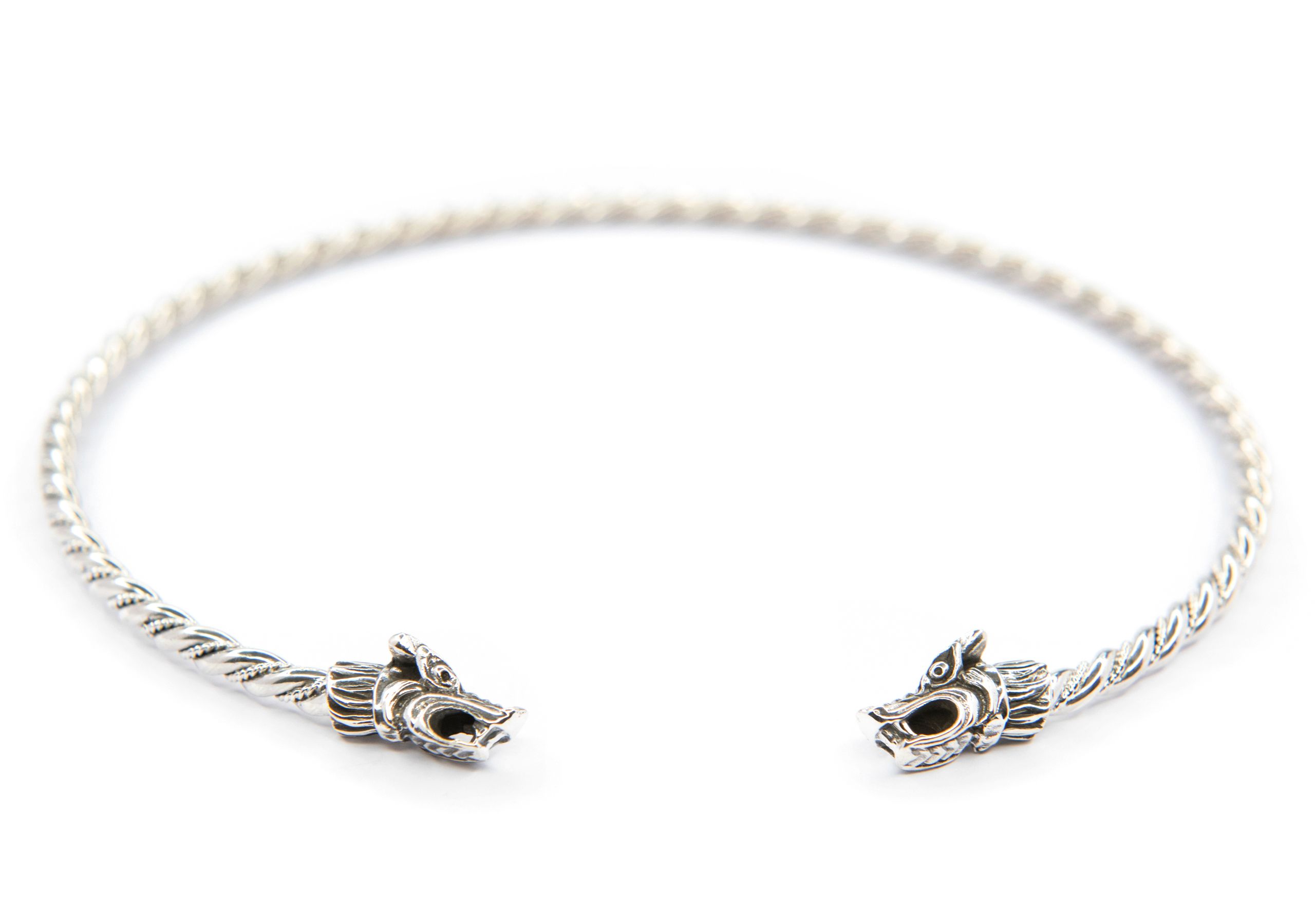
Viking Torque for Women, Silver
Viking torque, diameter rdb. 12cm, made of Sterling silver, 57g
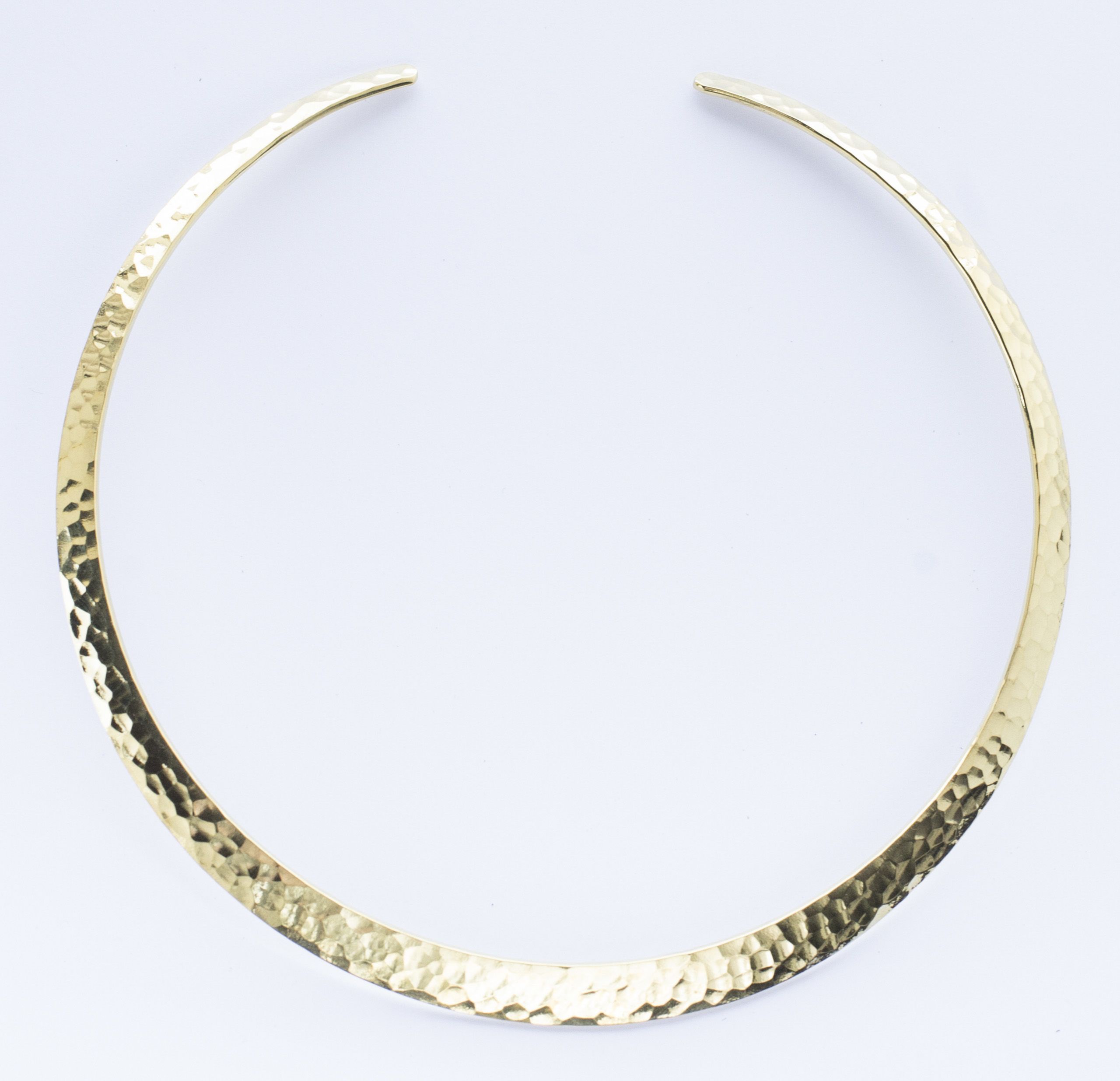
Viking Necklace for Women, Brass
Viking necklace with hammer stroke design, made of brass, inner diameter rdb. 13cm, weight about 16g
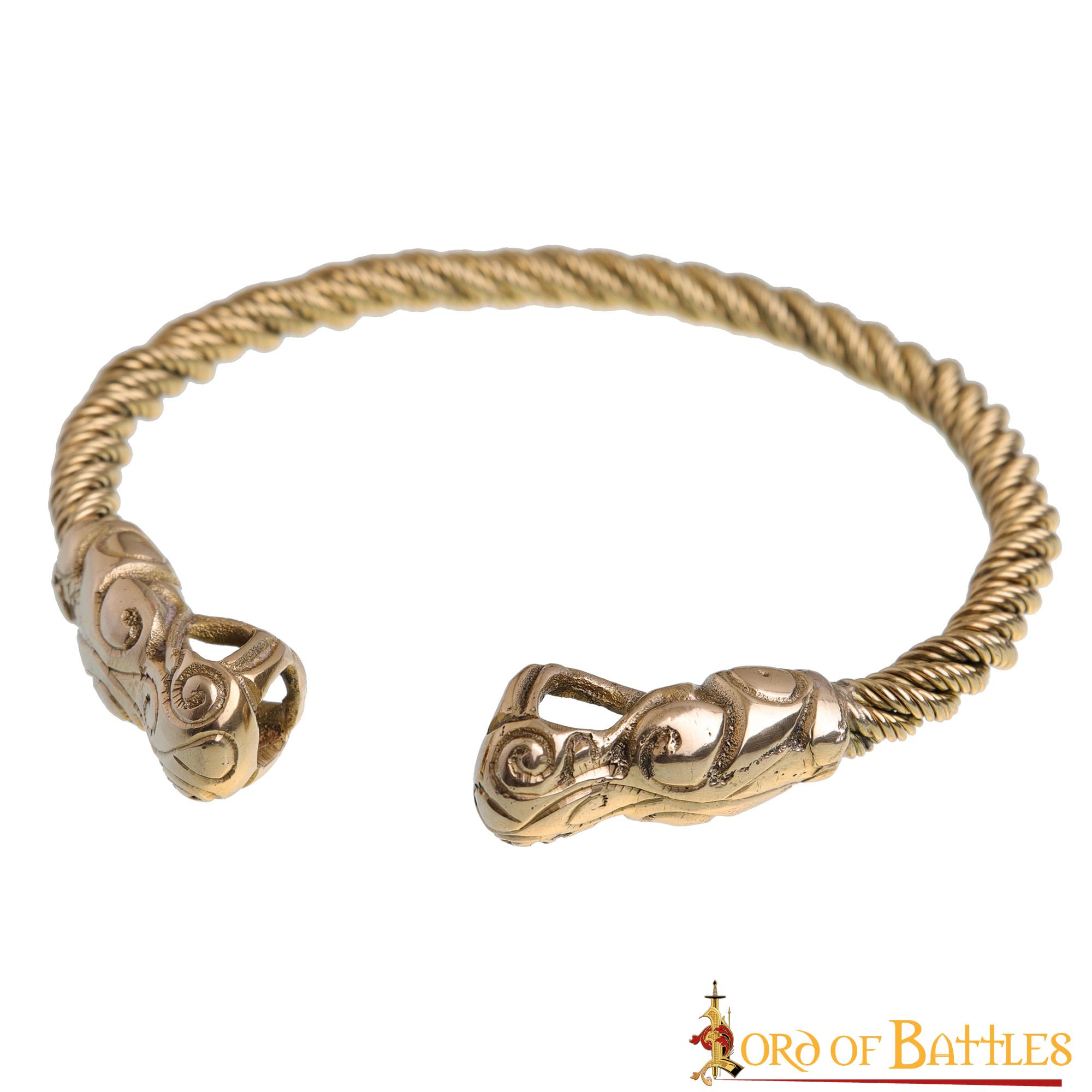
Viking Fenrir Wolf Torc Pure Solid Brass Neck Ring
Whether you are a shieldmaiden or a Viking warrior out on his raids, our Viking “The Fenrir†torc, donned around your neck, will accentuate your valour even more. This torc is made from PURE SOLID BRASS with intricate Viking details. It is approximately 46 cm (18.1 inches) when measured from side to side. It has a historically inspired design, based on similar Scandinavian artefacts from the 10th century. A perfect item for your historical reenactments!
Torques and necklaces for Vikings and Celts
 Torques were to the Vikings in the Middle Ages what necklaces were to other peoples. A torque was both a piece of jewellery and a symbol, but above all a sign of status. A torque fits much more snugly than a chain, so it could not be a hindrance or even a trap in battle. A torque was made of silver or bronze and was considered valuable because of the way it was made. In addition to the torque, typical medieval Viking jewellery included rings, pendants and brooches. In our online shop we have a beautiful selection of torques and necklaces that were worn by both men and women. A men's silver torque was at most slightly larger, but similarly elaborately decorated and embellished.
Choose the one that appeals to you most from these beautiful pieces. Order it with a simple click and it will be delivered to your door. Your next LARP appearance will be guaranteed with a very special piece of jewellery.
Necklaces and their differences
 But what is the difference between ordinary necklaces and the torques worn by Vikings in the Middle Ages? First of all, it is important to know that torques have been known since the Bronze Age, when they were worn by the Celts and other peoples. For the Celts, this type of necklace was a symbol of power. With the migration of peoples in the 5th century, the Celts lost all trace of them. However, the Vikings revived the custom 300 years later. In addition to the usual necklaces, they also made torques from bronze and silver. Torque originally means “spiral ring”. The name refers to the way they were made. The torques were made by twisting strands of bronze, silver or other metals together, giving them a beautiful appearance.
At the same time, the jewellery has a high value because of the effort involved. This goes far beyond the material value of silver or bronze. To twist the strands together, the material had to be heated, softened and handled very delicately with pliers. The chokers, on the other hand, were hammered or otherwise worked and were only made of silver or bronze.
Beautiful jewellery with powerful symbols
 Another characteristic of Viking and Celtic torques is the lack of a clasp. This was only developed in later centuries. Such a kind of necklace is no longer called a torque. The torque was first bent open slightly, then slipped around the neck and pressed together again slightly. This process could not be repeated too often with the material used at the time. The two ends, however, were specially decorated.
The wolf heads at both ends were very classical for the Vikings. But other symbols and shapes were also possible. You can find other Viking jewellery such as pendants and brooches here on the website of our online shop. The pendants are divided into those with runes and the heavier pendants with symbols such as Thor's hammer.